
How Your Diet Shapes Your Mental Resilience
Discover the profound connection between nutrition and stress levels. Mealvitalcore explores how the food you eat directly influences your emotional wellbeing, sleep quality, and everyday stress response.
Understanding Diet and Stress
Scientific research demonstrates that specific nutrients directly impact cortisol levels, neurotransmitter production, and your body's overall stress response system.
Omega-3 Fatty Acids
Essential fatty acids reduce inflammatory markers and support serotonin production. Found in fatty fish, flaxseeds, and walnuts, these nutrients help stabilise mood and lower cortisol levels during stressful periods.
Read moreMagnesium Rich Foods
Magnesium is crucial for nervous system regulation and muscle relaxation. Leafy greens, pumpkin seeds, and dark chocolate contain high magnesium levels that can help support a feeling of calm.
Read moreComplex Carbohydrates
Whole grains, legumes, and oats stabilise blood sugar and boost tryptophan absorption, which leads to serotonin production. Steady energy levels throughout the day reduce stress triggers significantly.
Read moreThe Brain-Gut-Nutrition Connection
Your gut is often called the "second brain" because it produces approximately 90% of your body's serotonin. The foods you choose directly influence the microbiome composition, which in turn affects mood regulation, anxiety levels, and stress resilience.
When you consume processed foods high in refined sugars and unhealthy fats, you're feeding harmful bacteria that increase inflammation. This inflammatory response triggers the stress response system, even when no actual threat exists. Conversely, whole foods rich in fibre and polyphenols nourish beneficial bacteria, reducing inflammation and promoting mental clarity.
Research shows that individuals who follow a Mediterranean-style pattern—rich in vegetables, fish, olive oil, and whole grains—report significantly lower stress levels and better emotional regulation compared to those consuming typical Western processed diets.
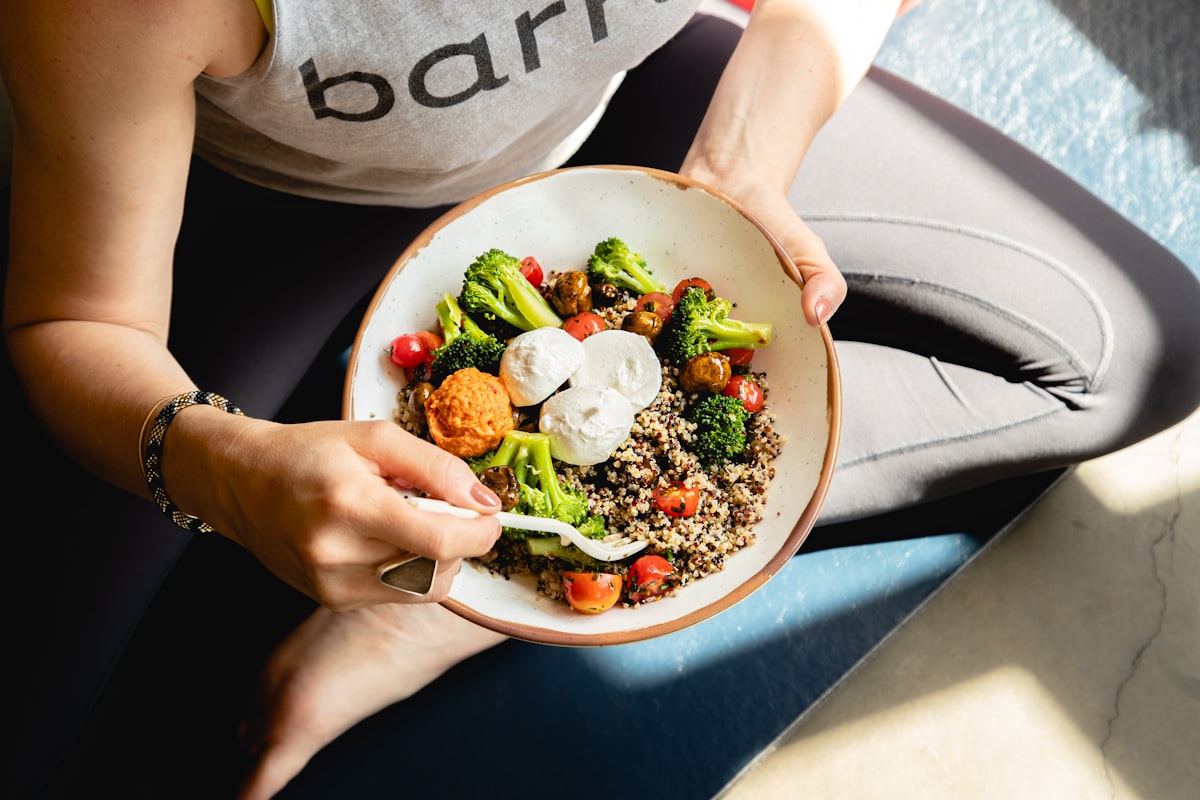
Five Stress-Fighting Food Categories
Incorporate these nutrient-dense foods into your daily meals to support emotional resilience and reduce stress naturally.
Antioxidant Berries
Blueberries, strawberries, and blackberries contain anthocyanins and vitamin C that combat oxidative stress. Eating a handful daily reduces inflammation and supports emotional stability throughout stressful periods.
- Rich in polyphenols for brain protection
- Support healthy cognitive function
Nuts & Seeds
Almonds, walnuts, sunflower seeds, and hemp seeds provide magnesium, zinc, and selenium—minerals essential for stress hormone regulation and immune system strength.
- Contain L-arginine for vascular health
- Support sustained energy levels
Leafy Greens
Spinach, kale, and Swiss chard contain folate and magnesium that regulate serotonin and dopamine production, directly influencing mood and stress resilience.
- High in B vitamins for nervous system support
- Support healthy neurotransmitter balance
Fermented Foods
Yoghurt, sauerkraut, kombucha, and miso contain live beneficial bacteria that strengthen the gut barrier and enhance the gut-brain axis communication.
- Improve microbial diversity naturally
- Enhance nutrient absorption efficiency
Herbal Teas
Chamomile, passionflower, and green tea contain L-theanine and GABA precursors that promote relaxation without sedation, supporting peaceful sleep and daytime calm.
- Gentle support for sleep quality
- Reduce daily stress and tension naturally
Fatty Fish
Salmon, mackerel, and sardines provide EPA and DHA omega-3s that reduce inflammatory cytokines and support optimal brain cell membrane function for emotional resilience.
- Proven to reduce cortisol levels
- Support cognitive clarity during stress
Why Mealvitalcore?
We provide evidence-based information, not quick fixes. Our editorial approach ensures you understand the real science behind nutrition and stress.
Evidence-Based Content
Every article references peer-reviewed studies and current research. We explain the mechanisms behind nutritional effects on your nervous system clearly.
Comprehensive Guides
From understanding your stress response system to meal planning for emotional balance, our guides cover practical nutrition strategies for real life.
Community Insights
Read how others have transformed their relationship with food and stress. Our community section shares real experiences and practical tips from readers.
Actionable Insights
We don't just explain theory. Every article includes practical steps you can implement immediately to support your mental wellbeing through nutrition.
Transparency First
No sponsored content or hidden conflicts of interest. Our mission is purely informational—helping you make informed choices about your nutrition and stress management.
Latest Research
We continuously update our content with the newest findings in nutritional neuroscience and stress biology, ensuring you always have current information.
Trusted by Readers Across the UK
Our readers share how understanding the nutrition-stress connection has transformed their daily wellbeing and peace of mind.
"I never realised how much my afternoon anxiety was connected to what I ate for lunch. The articles explaining the blood sugar crash explained everything I was experiencing. I started following the magnesium recommendations and my stress levels have genuinely decreased within weeks. *Individual results may vary. The information here actually makes sense scientifically."
Sarah Mitchell
Manchester, United Kingdom
"The section on fermented foods and gut health completely shifted how I think about eating. I've been incorporating more probiotic foods, and my sleep has improved dramatically. No more waking up at 3am with racing thoughts. Mealvitalcore gives you the why behind each recommendation, not just a list of rules."
David Chen
Edinburgh, United Kingdom
"As someone with a demanding job in London, I've always struggled with stress management. The article about omega-3s and cortisol was eye-opening. I started eating salmon twice a week and my irritability has noticeably decreased. What I love most is that Mealvitalcore references actual studies—it feels credible and trustworthy."
Emma Thompson
London, United Kingdom
"I've tried many diet programs, but Mealvitalcore is genuinely different because it's not trying to sell me anything. The free articles are comprehensive and detailed. Learning about how processed sugar spikes cortisol helped me understand my own stress patterns. This is the kind of information everyone should have access to."
James Robertson
Bristol, United Kingdom
Frequently Asked Questions
Find answers to common questions about diet, stress, and nutrition science.
Most people notice shifts within 2-3 weeks of consistent dietary changes. Some experience improved sleep quality within days. However, sustained reductions in stress response and emotional resilience typically develop over 4-8 weeks as your gut microbiome adapts and nutrient levels optimise. Individual variation is significant based on your starting diet and overall lifestyle factors.
Absolutely not. The science of nutrition and stress is about balance and frequency, not deprivation. You can enjoy favourite foods while building a foundation of stress-supporting nutrients. The goal is to make nourishing foods the majority of your intake, not to create restriction. Many people find they naturally crave healthier options once they understand how different foods make them feel.
Acute stress is short-term and situational; chronic stress persists over months or years. Nutrition primarily helps regulate chronic stress by supporting your body's baseline stress resilience and recovery. While diet can't eliminate acute stressors, proper nutrition ensures you respond to them more effectively. A well-nourished nervous system bounces back faster from stressful events.
The most robust research supports: omega-3 fatty acids (EPA/DHA), magnesium, B vitamins (especially B6 and B12), vitamin D, zinc, and polyphenols from plants. These work synergistically to support neurotransmitter production, inflammatory regulation, and hormone balance. No single nutrient is a silver bullet—whole-food patterns combining multiple nutrients work best.
Look for certifications from NSF International, USP (U.S. Pharmacopeia), ConsumerLab, or Informed Choice on the product label or manufacturer website. These organizations verify that supplements contain what they claim and are free from harmful contaminants. Third-party testing doesn't guarantee efficacy, but it confirms safety and label accuracy—critical for peace of mind.
Real Stories from Our Community
Sarah M.
Marketing Executive
"After 6 weeks of following Mealvitalcore's recommendations, my energy levels are noticeably higher and my afternoon crashes are gone. Finally, a supplement strategy that actually makes sense."
James T.
Software Developer
"I was overwhelmed by supplement marketing. Mealvitalcore broke it down into what science actually supports. I ditched 5 unnecessary products and kept 3—my wallet and my body thank me."
Dr. Elena R.
Nutritionist
"As a professional, I'm impressed by Mealvitalcore's evidence-based approach. It's rare to find a brand that prioritizes actual science over hype. I recommend it to my clients."
Marcus K.
Fitness Enthusiast
"The clarity on workout nutrition was a game-changer. I'm recovering faster and seeing better results without the supplement overload I used to buy into."
Ready to Optimize Your Nutrition?
Stop guessing. Start science-backed supplementation with Mealvitalcore. Get personalized recommendations based on your goals, lifestyle, and current diet.
Your privacy is protected. No spam, ever.